

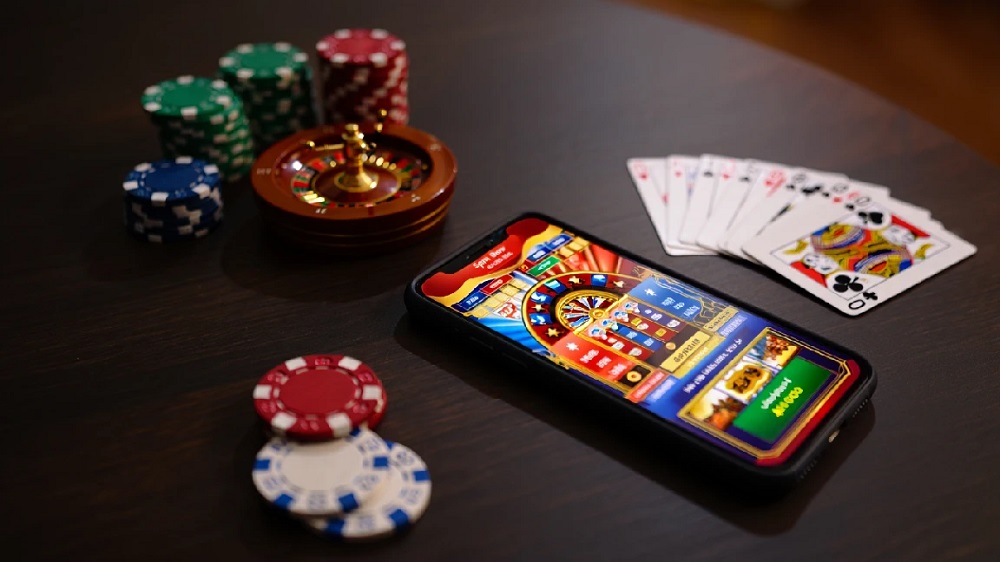
The digital gambling industry has undergone a massive transformation over the past decade. Transitioning from basic, static websites to highly sophisticated ecosystems, modern gambling platforms rely on cutting-edge technology and psychological insights to capture and maintain player interest. In an increasingly crowded marketplace, attracting a user to a platform is only the first step. The real challenge lies in retention and engagement, ensuring that players remain active, loyal, and entertained over the long term.
To achieve this, operators deploy a combination of data analytics, user experience design, behavioral psychology, and technological innovations. By understanding user preferences and reacting to behaviors in real time, these platforms create highly personalized environments that keep users coming air-tightly connected to the interface.
Data Personalization and Algorithmic Recommendations
At the core of modern user engagement lies data science. Every action a player takes on a gambling platform—from the specific games they click on to the duration of their sessions and the size of their wagers—is tracked and analyzed. This data allows platforms to move away from generic, one-size-fits-all interfaces toward deeply personalized user experiences.
Much like streaming entertainment services suggest movies based on past viewing history, online casinos and sportsbooks utilize recommendation engines. If an algorithm detects that a user frequently plays high-volatility slot machines with mythological themes on Friday nights, the platform will dynamically restructure its homepage for that specific user.
Upon logging in, the player is greeted by newly released mythological slots, tailored promotional offers for high-volatility games, and relevant loyalty rewards. This level of customization reduces the friction of finding a game, making the user feel recognized and valued, which drastically increases session lengths.
Gamification and Progressive Reward Systems
Gambling platforms have increasingly adopted mechanics from the mainstream video game industry to enhance the overall user experience. This strategy, known as gamification, shifts the player’s focus away from purely winning or losing money toward a broader sense of progression and achievement.
By introducing non-monetary milestones, platforms create a multi-layered engagement loop. Players are no longer just pulling a digital lever or placing a sports bet; they are embarking on a structured journey.
-
Levelling Systems: Users earn experience points for every wager placed, unlocking higher account tiers that grant permanent perks, such as faster withdrawal times or dedicated account managers.
-
Daily Quests and Missions: Platforms set specific challenges, like playing five hands of blackjack or wagering on a specific football match, to reward players with bonus spins or loyalty tokens upon completion.
-
Badges and Trophies: Collecting digital achievements for specific milestones, such as hitting a certain multiplier or playing three days in a row, appeals to the human desire for collection and status.
Live Streaming and Social Integration
Humans are inherently social creatures, and traditional gambling has always had a strong community component, whether around a craps table or in a sports lounge. Early online gambling platforms lost this social element, offering isolated experiences. To counter this, modern platforms have heavily invested in live streaming and social features.
The rise of live dealer games has been a massive driver of user engagement. By streaming real human dealers operating physical tables from specialized studios, platforms bridge the gap between digital convenience and real-world authenticity.
Furthermore, these setups include integrated live chat functions. Players can converse with the dealer and joke with other participants at the table in real time.
In sports betting, platforms have integrated live broadcasts of matches directly alongside the wagering console. Users can watch the game unfold, chat with fellow fans, and place micro-bets on the next play without ever leaving the stream, creating a seamless, highly engaging entertainment hub.
Micro-Betting and In-Play Wagering Infrastructure
In sports gambling, user engagement has been fundamentally revolutionized by the development of in-play or live betting infrastructure. Historically, sports betting was a static affair; a user placed a wager on the final outcome of a game before kickoff and waited hours for the result.
Modern platforms utilize real-time data feeds and automated odds-calculating algorithms to offer continuous betting markets throughout a live sporting event. This has evolved into micro-betting, where users can wager on ultra-specific, immediate outcomes within a game.
Micro-betting dramatically boosts engagement because it transforms sports viewing into an active, high-frequency interactive experience. A football fan is no longer just rooting for their team to win the game; they are intensely focused on whether the current drive will result in a first down, keeping their eyes glued to the platform’s interface.
Optimized Mobile Interfaces and Frictionless Design
An engagement strategy is only as good as the interface that delivers it. With the vast majority of digital gambling now occurring on smartphones, operators dedicate immense resources to optimizing mobile user experience and user interface design.
Friction is the ultimate enemy of online engagement. If a platform takes too long to load, requires a convoluted login process, or features a confusing navigation menu, users will quickly abandon it.
To prevent this, platforms implement biometric login options, such as facial recognition or fingerprint scanning, allowing access within seconds.
Furthermore, the checkout and deposit processes are streamlined using one-click payment methods, digital wallets, and instant bank transfers. By minimizing the steps required to fund an account or find a game, platforms ensure that users can transition from intent to action instantly, keeping momentum and engagement levels high.
Behavioral Triggers and Push Notification Strategies
Maintaining engagement requires platforms to effectively bring users back to the app once they have logged off. Operators achieve this through sophisticated push notification strategies driven by behavioral triggers.
Instead of blasting users with generic spam, modern notification systems are highly targeted and time-sensitive. If a user regularly bets on a specific basketball team, the platform will automatically send a push notification thirty minutes before tip-off, highlighting an boosted odds promotion for that specific game.
Similarly, if a casino player abandons a session mid-way through a specific tournament, a carefully timed notification might remind them of their current leaderboard standing and offer a time-limited incentive to rejoin. These personalized, real-time prompts act as precise psychological hooks that successfully re-engage users throughout the day.
Frequently Asked Questions
What is the role of predictive modeling in keeping users engaged on gambling sites?
Predictive modeling analyzes vast amounts of historical player data to forecast future user actions. If the model detects behavioral patterns indicating that a player is losing interest or becoming frustrated by a losing streak, the platform can automatically intervene. It might offer a targeted loyalty bonus, suggest a lower-stakes game, or provide a personalized promotional reward to restore a positive experience and retain the user.
How do modern platforms ensure user interface design prevents player fatigue?
Platforms use specific visual hierarchies, clean layouts, and dark mode variations to reduce eye strain during extended sessions. Game thumbnails are organized logically using infinite scrolling mechanics to prevent choice paralysis. Additionally, audio cues and animations are carefully calibrated to be satisfying without becoming overwhelming or overly repetitive to the human ear and eye.
Why are dynamic leaderboards effective for player retention?
Dynamic leaderboards introduce a competitive, social element to single-player experiences like slot machines. By showing players how they rank against others in real time during a tournament, leaderboards tap into natural competitive drives. The desire to maintain a top position or overtake a nearby rival encourages players to extend their sessions and engage more deeply with the platform.
What are micro-moments and how do gambling apps exploit them?
Micro-moments occur when a user reflexively turns to a device to fulfill a brief need, such as waiting in line, commuting, or sitting through a commercial break. Gambling platforms optimize their mobile apps to load instantly and allow rapid game loops, such as quick-spin slots or fast-folding poker variants. This allows users to engage in satisfying, short-duration play sessions during these minor windows of downtime throughout the day.
How do real-time sports data feeds change user behavior inside sportsbooks?
Real-time data feeds provide instant updates on statistics, possession changes, and player metrics directly inside the betting application. This transforms the app from a simple transactional utility into a primary information source. Users remain on the platform to check stats and follow game momentum, which naturally increases the likelihood that they will place additional in-play wagers based on the data they are viewing.
What is the primary function of omni-channel engagement in digital gambling?
Omni-channel engagement ensures a completely seamless experience as a user transitions between different devices or environments. For example, a player can start a session on a desktop computer, continue it on their smartphone during a commute, and receive identical loyalty points and tailored promotions. This continuity removes structural boundaries, making the platform easily accessible at any time or place.
How do customized loyalty shops improve long-term user attachment?
Traditional loyalty programs automatically handed out generic bonuses that might not appeal to every player. Modern customized loyalty shops allow users to accumulate points and choose their own rewards from a digital marketplace. Whether a player prefers cash back, free bets, slot tokens, or physical merchandise, choosing their own incentive makes the reward system feel vastly more tangible and personally satisfying.

Comments are closed.